
Revisiting the Golden Era

Omair Alavi|Instep|May 9, 2021
These books will take you through time in Pakistan’s entertainment industry and are a must-read for any film and TV enthusiast…
PakistanΓÇÖs entertainment industry has a rich history; people who were around in the 60s remember it for its golden era. The millennials, however, donΓÇÖt have the urge or access to resources in the odd case that they may want to visit the past. They therefore have no clue as to what made Pakistani cinema, theatre, and especially TV as big as it is today.
As a guide to the good old days, we urge those interested to read these five books for insight to how the industry evolved. Happy reading!
Kamal Ki Baatein ΓÇô Kamal Ahmed Rizvi
The name Kamal Ahmed Rizvi instantly reminds you of Alif Noon but there was much more to the playwright and actor who played Allan than meets the eye. His autobiography Kamal ki Baatein - published posthumously one year after his death in 2016 ΓÇô reveals unseen sides of his personality that were mostly hidden from the world. Not only is the book as entertaining as his best works, but it also gives you an insight into the effortless way he could make people laugh. After going through this book, readers will realize how vibrant and lively the art, literature and theatre scene once was and why it changed in the 1980s.
This book is not just an autobiography but also has pen sketches of some of Kamal Ahmed RizviΓÇÖs peers and colleagues, including renowned poet Faiz Ahmed Faiz, famous painter Shakir Ali (from whose house he once stole a painting), as well as Saadat Hasan Manto and Shaukat Hussain Rizvi amongst others. He also takes readers down memory lane and describes his early days, his struggle, his success and his political affiliations. The book is fun to read but at the same time is a bittersweet reflection of the situation of our entertainment industry.
Mera Pakistani
Safarnama ΓÇô Balraj Sahni

Balraj Sahni was BollywoodΓÇÖs top character actor at a time when it was ruled by Dilip Kumar, Raj Kapoor and Dev Anand during the 1950s and the 1960s. He was born in Rawalpindi before Partition and stayed there till he was made to cross the border in 1947. In his book, Mera Pakistani Safarnama, the veteran actor writes about his trip back to his hometown, which was now ΓÇÿin another countryΓÇÖ. Not only does he revisit his birthplace like a guest, but he also describes the changes that took place during his escape as a refugee and his return fifteen years later.
Originally written in English, the book was translated and made available in Pakistan recently, and is a wonderful read. The way Balraj Sahni describes his visit, his interactions with PakistanΓÇÖs film industry, and the way he was received by who he termed ΓÇÿhis own peopleΓÇÖ leaves you both happy and misty-eyed. This wasnΓÇÖt his first book or his last, but it was certainly his best because it unites people of the two countries, more like his final film role in Garam Hawa that was released after his death in 1974.
Yeh Hain Talat Hussain ΓÇô Dr. Huma Mir
TV actress Dr. Huma MirΓÇÖs biography of living legend Talat Hussain is exactly the kind of tribute we need for most of our actors and actresses. She explores parts of his career that we are familiar with, but she also brings forward the many details that arenΓÇÖt known to many. If you didnΓÇÖt know that Talat Hussain was the first Pakistani actor who studied at the prestigious London Academy of Music and Dramatic Art or worked in both Pakistani and Indian films (one Indian film to be exact) during his career, this book is a must-read for you. It covers the illustrious career of the legendary actor who has stayed relevant since the 1960s.
Filmi Alif Laila ΓÇô Ali Sufyan Afaqi
Volume I ΓÇô III

Want to know all there is to know about the Pakistani film industry? There is no book better than Ali Sufyan AfaqiΓÇÖs series known as Filmi Alif Laila that is not only available in three volumes but covers the first fifty years of Pakistani cinema in detail. Ali Sufyan Afaqi was around when things were going good for Pakistani cinema, and he also witnessed and documented its gradual decline. Over the years he befriended every filmi legend there is, and it is his interaction with them that makes this book all the more interesting!
Mushtaq GazdarΓÇÖs Pakistani
Cinema ΓÇô Second edition
Last but not least is the second edition of Mushtaq GazdarΓÇÖs Pakistani Cinema, which was released recently without many changes to the original book. Like Ali Sufyan AfaqiΓÇÖs books, this guide to Pakistani Cinema covers the first five decades of filmdom in Pakistan and is accompanied by a complete list of films that have been released in Pakistan. From PakistanΓÇÖs first film Teri Yaad in 1948 to Shoaib MansoorΓÇÖs Verna nearly 70 years later, the list is nothing short of a treasure trove for those who are in love with Pakistani cinema. The first section of the book, which has been reproduced from the first edition, is also worth reading, for it tells the story of Pakistani actors, actresses, and those who helped them become stars.

Food & Drink
ALL FOOD & DRINKBao Bae ΓÇô Karachi Adds Another Delicacy to Its Menu!
Handcrafted baos and udon noodles from a food truck.
Welcoming 2021 with hope!
Illustration by Muhammad Faizan

KarachiΓÇÖs Street-Food Forecast
WhatΓÇÖs on the cards for the people of Karachi, desperately waiting for Covid-19 to end so they can get on with their favourite pastime: street food!
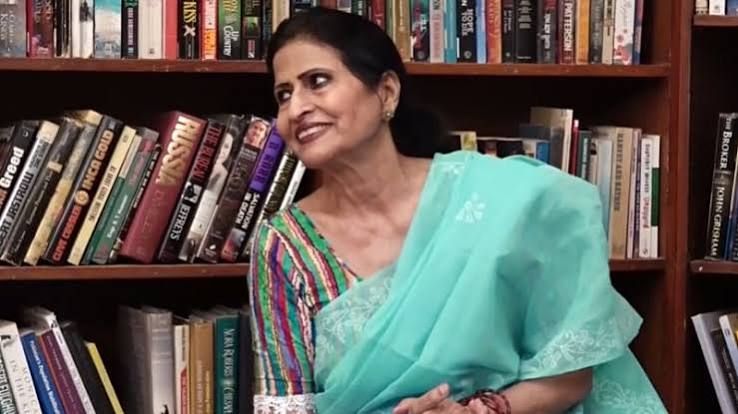
Imrana MaqsoodΓÇÖs new cookbook launched
KARACHI: Imrana Maqsood, the wife of veteran playwright Anwar Maqsood, is a published author who has penned over two dozen books during her writing career. Her last book Uljhay Suljhay Anwar that chronicled the ΓÇÿadvent
Saif Ali Khan finds his mojo with Chef
By Omair Alavi Love him or hate him, but Saif Ali Khan is back with a role that suits him like a T. In Chef, he plays a professional Chef who makes it big in America before returning to India to make it even bigger. The